USB3 Cameras: Advanced Imaging with Monochrome and MIPI Technologies
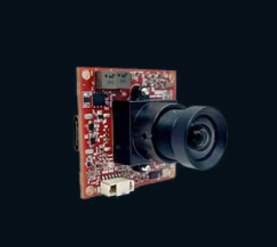
In the world of digital imaging, USB3 cameras have become increasingly popular due to their high-speed data transfer, reliable connectivity, and versatility. These cameras are widely used in various industries such as machine vision, medical imaging, industrial automation, and scientific research. One of the most notable advancements in this field is the integration of monochrome imaging and MIPI cameras, which significantly enhance the quality and efficiency of imaging applications.
The Advantages of USB3 Cameras
USB3 cameras leverage the USB 3.0 interface, which offers significantly faster data transfer rates compared to previous USB versions. With speeds of up to 5 Gbps, these cameras ensure smooth transmission of high-resolution images and videos, making them ideal for real-time applications. Furthermore, the plug-and-play nature of USB3 simplifies installation and integration, making these cameras user-friendly and adaptable to various setups.
Monochrome Imaging in USB3 Cameras
Monochrome imaging is essential when high sensitivity and contrast are required. Unlike color cameras that use RGB filters, monochrome cameras capture images without color interpolation, providing sharper, more detailed outputs. USB3 monochrome cameras are particularly beneficial in applications like microscopy, quality inspection, and medical imaging, where capturing minute details is critical. The enhanced sensitivity in low-light conditions also makes them ideal for scientific research.

MIPI Cameras: A Modern Approach
MIPI (Mobile Industry Processor Interface) cameras are increasingly being adopted in conjunction with USB3 technology. Known for their compact design and efficient data transfer, MIPI cameras are widely used in mobile devices, embedded systems, and industrial applications. USB3 MIPI cameras combine the high-speed capabilities of USB3 with the efficiency and small form factor of MIPI interfaces, making them suitable for space-constrained applications.
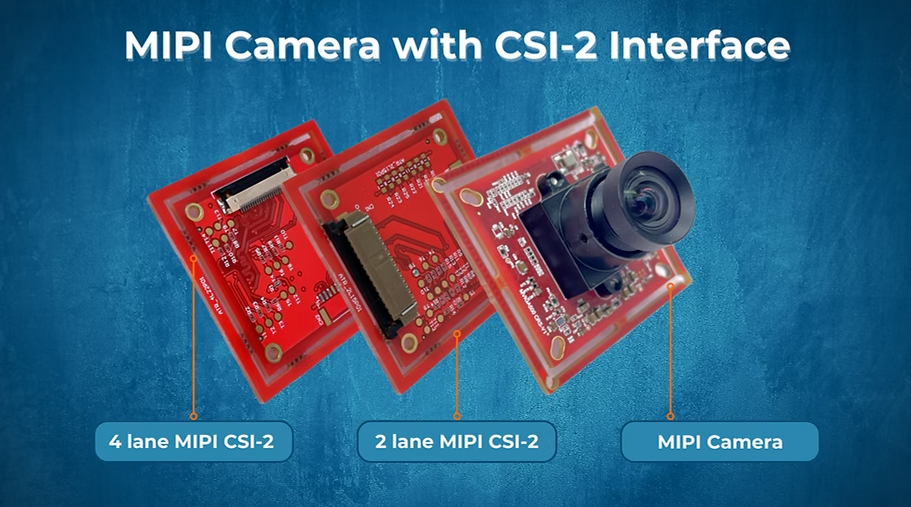
Why Choose USB3 Cameras with Monochrome and MIPI Technologies?
Combining USB3 with monochrome imaging and MIPI camera technology results in versatile, high-performance imaging solutions. These cameras are well-suited for applications requiring fast data transfer, high resolution, and minimal latency. Vadzo Imaging, a leader in advanced imaging solutions, offers a wide range of USB3 cameras designed for diverse applications. Their models incorporate cutting-edge monochrome sensors and MIPI interfaces, ensuring high-quality imaging and reliable performance.
Key Applications of USB3 Cameras
- Machine Vision: High-speed inspection and quality control.
- Medical Imaging: Detailed visualization of biological specimens.
- Industrial Automation: Real-time monitoring and defect detection.
- Scientific Research: Capturing precise data under varying light conditions.
Conclusion
USB3 cameras equipped with monochrome and MIPI technologies offer unparalleled performance in modern imaging applications. Their combination of speed, sensitivity, and compactness makes them indispensable in numerous industries. Vadzo Imaging’s range of USB3 cameras exemplifies this innovation, delivering reliable, high-quality imaging solutions tailored to the needs of professionals. Whether for industrial automation or scientific research, choosing the right camera can significantly enhance productivity and image quality.


Comments
Post a Comment